
Designing a house is one of the biggest decisions you’ll ever make. It’s not just about creating a beautiful exterior or choosing modern finishes—it’s about building a home that remains comfortable, functional, and valuable for decades.
Many homeowners become excited about selecting tiles, paint colors, or furniture, but overlook the most important planning decisions that determine how well the house will perform in everyday life.
A well-designed home should suit your family’s lifestyle, maximize natural light, provide proper ventilation, allow future expansion, and minimize maintenance costs. These decisions are much easier—and far less expensive—to make during the design stage than after construction has already begun.
As architectural professionals often say, a successful house is planned long before the first brick is laid.
In this guide, we’ll explore the most important factors every homeowner should consider before designing their dream house.
1. Clearly Define Your Family’s Needs
Every family lives differently.
Before discussing layouts with an architect, make a list of your present and future requirements.
Ask yourself questions like:
- How many bedrooms will you need?
- Do you work from home?
- Will elderly parents live with you?
- Do you need a guest room?
- Should children have a separate study area?
- Will you need extra parking in the future?
A house designed around your lifestyle will always be more comfortable than one designed simply to follow trends.
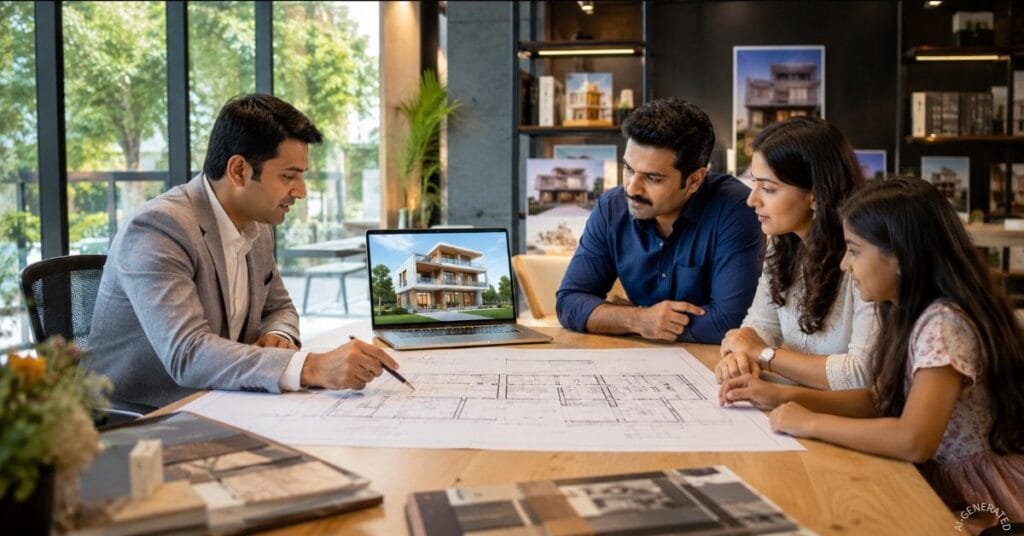
Family planning the layout of their dream house with an architect.
2. Choose the Right Plot Orientation
The direction your house faces has a significant impact on comfort, energy efficiency, and indoor lighting.
Proper orientation helps:
- Maximize natural daylight
- Improve airflow
- Reduce indoor heat
- Lower electricity consumption
- Create a healthier living environment
For example, carefully positioning bedrooms and living areas according to the local climate can make a noticeable difference in indoor comfort throughout the year.
A thoughtful orientation is one of the simplest ways to improve the long-term performance of your home.
3. Prioritize Natural Light and Ventilation
One of the biggest mistakes homeowners make is relying entirely on artificial lighting and air conditioning.
A well-designed house should allow plenty of natural sunlight while maintaining good ventilation throughout the day.
Benefits include:
- Healthier indoor environment
- Lower electricity bills
- Better air quality
- Reduced humidity
- Improved comfort
Large windows, properly positioned openings, and cross ventilation can dramatically improve the quality of living.
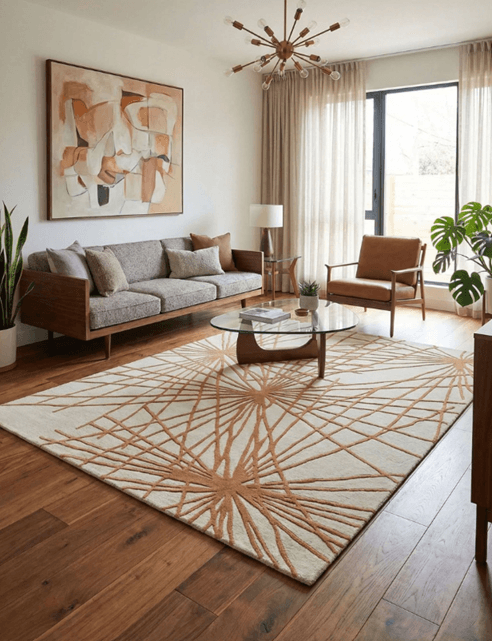
Modern house designed with large windows for natural light and ventilation.
4. Plan an Efficient Room Layout
A beautiful home isn’t necessarily a practical one.
The relationship between rooms is just as important as their size.
For example:
- The kitchen should connect conveniently to the dining area.
- Bedrooms should offer privacy from public spaces.
- Bathrooms should be easily accessible without disrupting circulation.
- Utility areas should remain functional but discreet.
A well-planned layout improves everyday living and reduces unnecessary movement throughout the home.
Good planning also increases the resale value of the property.
5. Never Ignore Future Expansion
Many homeowners design only for today’s needs.
However, families grow, lifestyles change, and future requirements evolve.
Consider whether your home might eventually need:
- An additional bedroom
- A home office
- A larger garage
- A rooftop sitting area
- A rental portion
- An elevator
- Solar panels
- Electric vehicle charging
Planning these possibilities during the design phase is far more cost-effective than making structural changes later.
A flexible design ensures your home remains functional for many years without requiring major renovations.
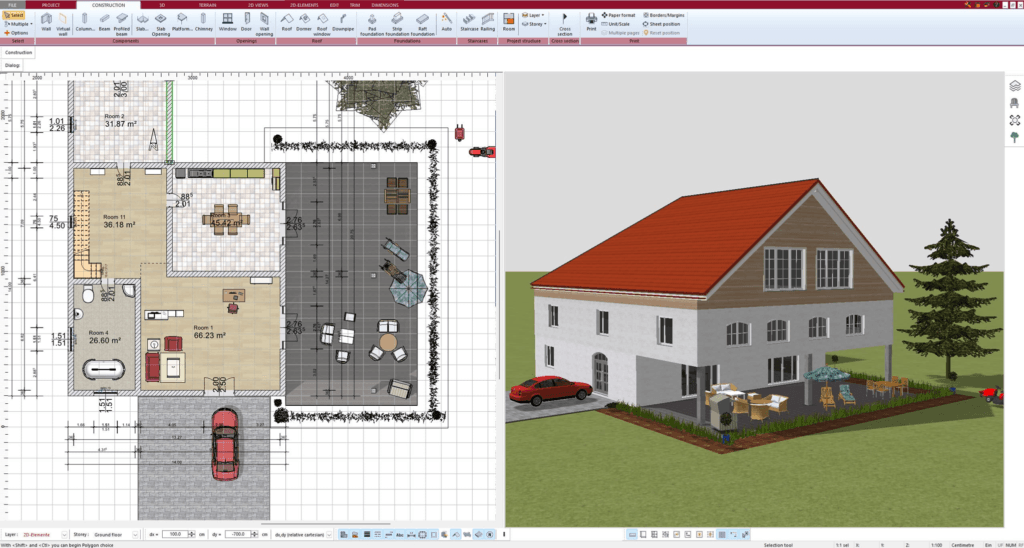
Architect designing a house with future expansion in mind.
Why These First Five Steps Matter
Most construction problems don’t begin on the construction site—they begin during the planning stage.
A carefully designed house is easier to build, more comfortable to live in, and significantly less expensive to maintain over time.
Investing extra effort in the design phase helps prevent costly mistakes that are difficult to correct once construction has started.
6. Never Compromise on Foundation Planning
The foundation is the backbone of your house. No matter how attractive the design looks, a weak or poorly planned foundation can lead to serious structural issues in the future.
The type of foundation should always be selected after evaluating factors such as:
- Soil conditions
- Building load
- Groundwater level
- Plot location
- Structural design requirements
Using the same foundation design for every project is never a good practice. Every site has different soil characteristics, and a proper structural design helps ensure the building performs safely for many years.
A strong foundation may never be visible once construction is complete, but it is one of the most important investments in any home.
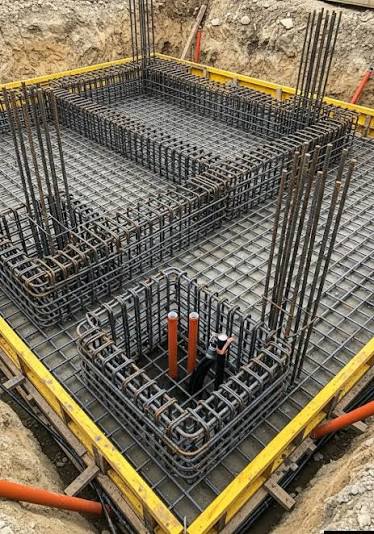
Strong reinforced concrete foundation under construction for a residential house.
7. Plan Proper Waterproofing from the Beginning
One of the most common problems homeowners face is water seepage and damp walls. In many cases, these issues appear only a few years after construction and become expensive to repair.
Waterproofing should never be treated as an optional upgrade. It should be included during the planning and construction stages.
Special attention should be given to areas such as:
- Foundation walls
- Roof slabs
- Bathrooms
- Balconies
- Water tanks
- Basements (if applicable)
Good waterproofing helps protect the structure, prevents moisture-related damage, and reduces long-term maintenance costs.
Rising Damp – A Common Issue in Many Homes
In many regions, especially where the groundwater level is high or drainage is poor, moisture can travel upward through walls. This phenomenon, often called rising damp, may cause:
- Peeling paint
- Damp patches
- Mold growth
- Salt deposits on walls
- Unpleasant odors
- Damage to plaster and finishes
Proper damp-proofing, quality waterproofing systems, and effective site drainage can significantly reduce the risk of these problems.
Ignoring moisture protection during construction may result in costly repairs later.
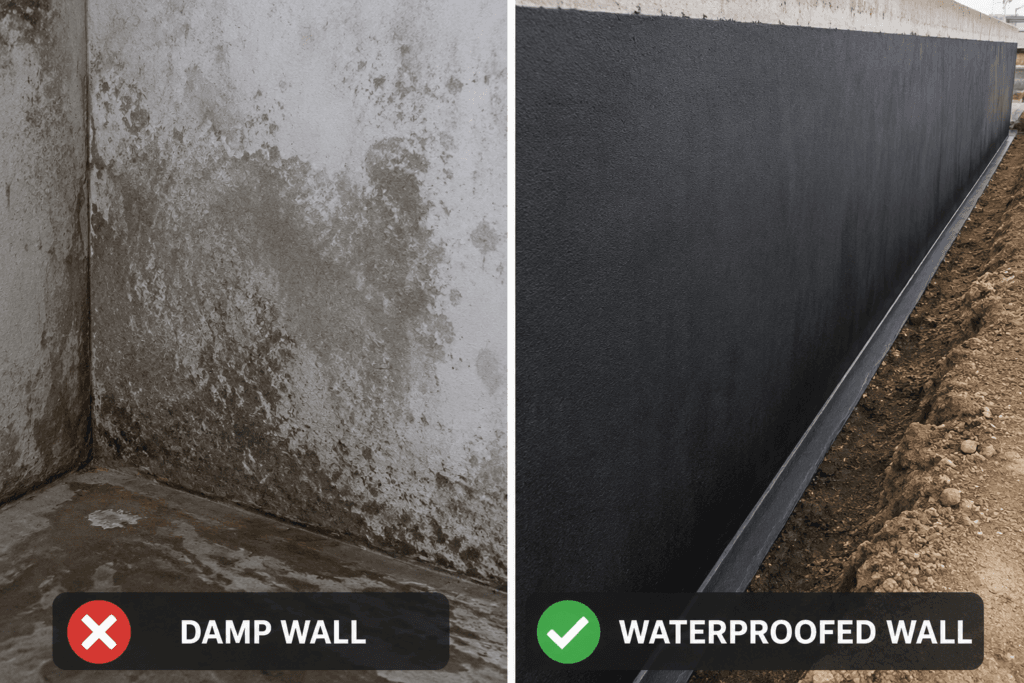
Comparison showing the effects of poor waterproofing and a properly protected wall.
8. Think About Electrical Planning Early
Many homeowners decide the locations of switches, sockets, and lighting fixtures after construction has already started. This often leads to unnecessary wall cutting, additional labor, and higher costs.
Electrical planning should be completed before construction begins.
Consider the placement of:
- Power outlets
- Light switches
- Ceiling fans
- Air-conditioning units
- Television points
- Internet connections
- Kitchen appliances
- Outdoor lighting
- Security cameras
- Smart home devices
A well-planned electrical layout improves both convenience and safety while reducing future modifications.
9. Don’t Overlook Plumbing and Drainage
A beautiful home can quickly become frustrating if plumbing and drainage are poorly planned.
Before construction begins, ensure that:
- Water supply lines are efficiently designed.
- Drainage pipes have proper slopes.
- Bathrooms are logically positioned.
- Kitchen drainage is carefully planned.
- Rainwater is directed away from the building.
Poor drainage can contribute to moisture problems around the foundation and increase maintenance requirements over time.
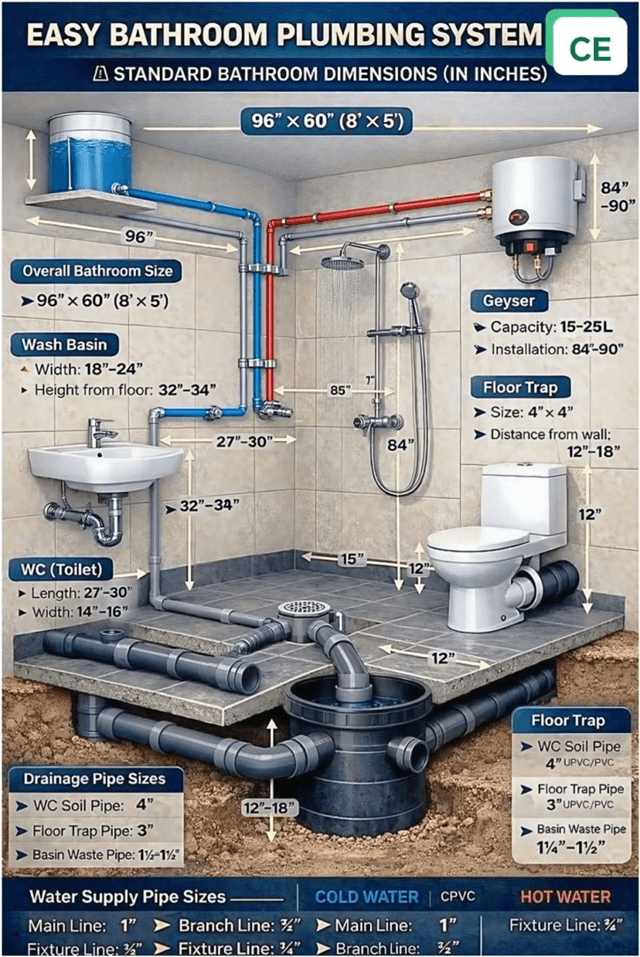
Proper plumbing and drainage system installation for a modern house.
10. Choose Quality Building Materials
Selecting the right materials is one of the smartest long-term investments you can make.
While cheaper products may reduce the initial construction cost, they often require more frequent repairs and replacements.
When choosing materials, consider:
- Durability
- Weather resistance
- Maintenance requirements
- Energy efficiency
- Product warranties
- Local climate suitability
Quality materials can improve the lifespan of your home and help maintain its appearance for many years.
Remember, the true cost of a material is not only its purchase price but also its long-term performance.
11. Focus on Energy Efficiency
A beautiful home should also be economical to maintain. Many homeowners only think about the construction cost and forget the long-term expenses of electricity, cooling, and maintenance.
A few smart design decisions can make your home more energy-efficient, such as:
- Positioning windows to maximize daylight.
- Using roof and wall insulation where appropriate.
- Installing energy-efficient lighting.
- Selecting high-performance windows and glazing.
- Providing adequate roof shading.
These features can improve comfort while helping reduce utility bills over the years.
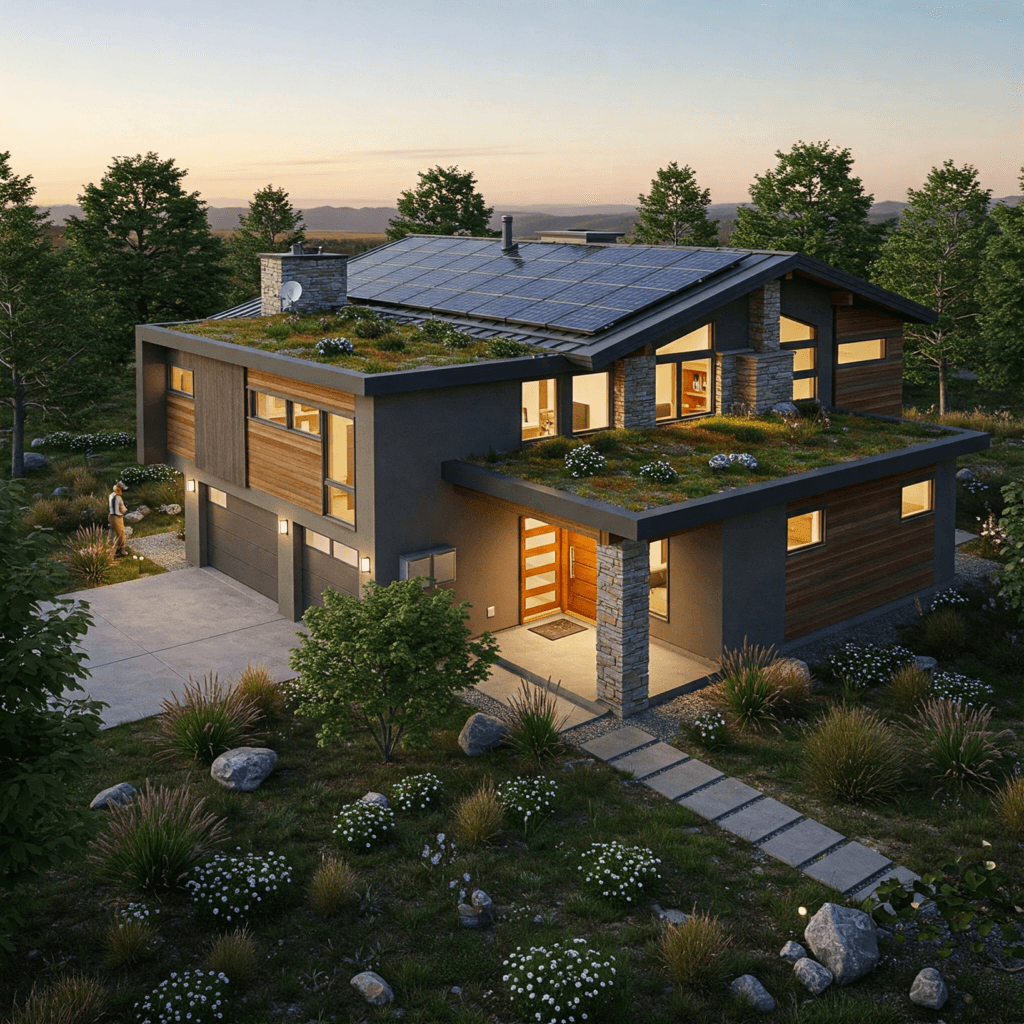
Energy-efficient modern house designed with natural lighting and sustainable features.
12. Plan Storage Spaces Carefully
Storage is often underestimated during the design stage.
A house may look spacious on paper but quickly become cluttered if there is not enough room for everyday items.
Consider including:
- Built-in wardrobes
- Kitchen pantry
- Linen storage
- Laundry area
- Shoe storage
- Cleaning equipment cabinet
- Outdoor storage
- Garage shelving
Well-planned storage keeps the home organized and improves day-to-day living without increasing the overall size of the house significantly.
13. Never Ignore Safety
Safety should always be part of good architectural design.
Think beyond aesthetics and consider features that protect your family for years to come.
Important considerations include:
- Slip-resistant flooring in wet areas.
- Strong stair railings.
- Proper outdoor lighting.
- Child-safe balcony railings.
- Fire safety planning.
- Emergency exits where required.
- Adequate ventilation for kitchens.
A safe home provides peace of mind while reducing the risk of accidents.
Safe residential design featuring secure stair railings and proper lighting.
14. Set a Realistic Budget Before Finalizing the Design
One of the most common reasons construction projects face delays is poor budgeting.
Instead of designing first and worrying about costs later, establish a realistic budget from the beginning.
Your budget should include:
- Design fees
- Structural engineering
- Government approvals
- Construction costs
- Interior finishes
- Landscaping
- Furniture
- Contingency fund for unexpected expenses
Having a clear financial plan allows better decision-making throughout the project and helps avoid unnecessary compromises during construction.
15. Work with the Right Architect and Engineering Team
Perhaps the most important decision of all is choosing the professionals who will guide your project.
An experienced architect doesn’t simply create attractive drawings—they help transform your ideas into a practical, functional, and buildable home.
A professional design team can help you:
- Understand your requirements.
- Maximize the potential of your plot.
- Optimize space planning.
- Improve natural lighting and ventilation.
- Coordinate with structural and MEP engineers.
- Reduce costly design changes during construction.
- Ensure compliance with local building regulations.
Choosing the right professionals at the beginning often saves significant time, money, and stress throughout the project.
Final Thoughts
Designing your dream house is much more than selecting beautiful finishes or following the latest architectural trends. Every decision made during the planning stage affects the comfort, durability, efficiency, and value of your home.
By carefully considering these fifteen factors before construction begins, you can avoid many common mistakes, reduce future maintenance costs, and create a home that truly supports your lifestyle for years to come.
A thoughtfully designed house is not just a place to live—it is an investment in your family’s future.
Frequently Asked Questions
What is the most important step before designing a house?
Understanding your family’s current and future needs is the first and most important step. A well-planned design should reflect how you live today while allowing flexibility for tomorrow.
Why is waterproofing important during construction?
Waterproofing helps protect the building from moisture-related issues such as damp walls, mold growth, peeling paint, and structural deterioration. Addressing it during construction is far more effective than repairing damage later.
Should I design my house before deciding my budget?
No. Establishing a realistic budget before finalizing the design helps ensure that your plans align with your financial goals and reduces the likelihood of costly redesigns.
Can good design reduce future maintenance costs?
Yes. Proper planning, quality materials, effective drainage, natural ventilation, and professional detailing all contribute to a home that is easier and less expensive to maintain.
How do I choose the right architect?
Look for an architect with relevant experience, a strong portfolio, clear communication, and an understanding of your lifestyle, budget, and local building regulations.
About Azeem Architects
At Azeem Architects, we believe that every successful home begins with thoughtful planning. Our team combines architectural creativity with practical engineering knowledge to design homes that are functional, aesthetically pleasing, and built for long-term performance.
Whether you’re planning a modern villa, a family residence, or a custom home, we work closely with clients to create spaces that match their vision while considering comfort, efficiency, and future needs.
Ready to Design Your Dream Home?
Whether you’re building your first home or planning a luxury villa, investing time in the design stage is one of the smartest decisions you can make.
If you’re looking for professional architectural design services, Azeem Architects is here to help you create a home that combines beauty, functionality, and lasting value.