
Building a swimming pool in the basement of a 1 kanal house can be an excellent way to add luxury, privacy, and year-round usability to your home. Basement pools are becoming increasingly popular in modern residential architecture, especially in urban areas where outdoor space is limited or homeowners prefer indoor recreational facilities.
However, constructing a basement swimming pool requires careful planning, proper waterproofing, and a strong structural design to ensure long-term safety and performance. In this article, we’ll explain how a basement swimming pool can be built, how water circulation and lifting systems work, and whether having a pool in the basement can cause structural problems.
Why Build a Swimming Pool in the Basement?
A basement swimming pool offers several advantages for homeowners who want a premium lifestyle feature without sacrificing outdoor garden space.
Some key benefits include:
- Privacy and comfort throughout the year
- Protection from dust, weather, and direct sunlight
- Better security for children
- Ideal use of basement space in large residential plots
- Increased property value and luxury appeal
On a 1 kanal plot, there is usually enough space to integrate a well-designed basement pool while still maintaining parking, storage, and utility areas.
Planning the Basement Swimming Pool Layout
The first step is to determine the available basement area and define the pool size according to the overall architectural design.
Typical basement pool dimensions for a 1 kanal house may range from:
- Small plunge pool: 10 ft × 15 ft
- Standard family pool: 12 ft × 25 ft
- Luxury indoor pool: 15 ft × 30 ft or larger
The pool should ideally be placed in a dedicated section of the basement with enough space for:
- Pool deck and walking area
- Mechanical room for pumps and filters
- Ventilation and dehumidification systems
- Emergency drainage provisions
Proper access and maintenance pathways should also be considered during the design stage.
Structural Design Requirements
A basement swimming pool adds significant water load to the building structure, so structural engineering is extremely important.
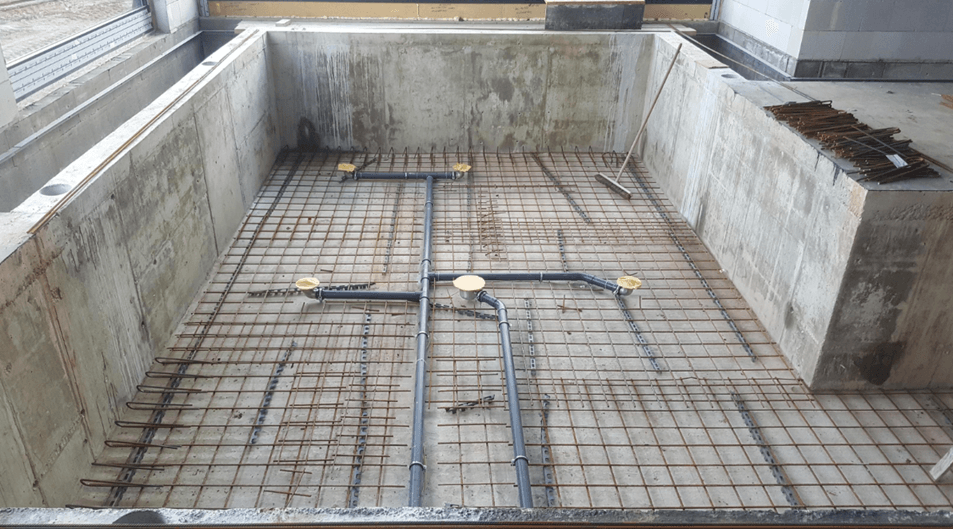
The pool must be designed using reinforced concrete (RCC) with proper calculations for:
- Water pressure on pool walls
- Basement retaining wall pressure
- Foundation load capacity
- Slab thickness and reinforcement detailing
The pool shell and surrounding basement walls should be structurally integrated to prevent movement or cracking over time.
Professional structural analysis should always be performed before construction begins.
Waterproofing: The Most Critical Part
One of the biggest concerns with basement pools is water leakage. Without proper waterproofing, moisture can damage walls, floors, and even weaken structural elements.
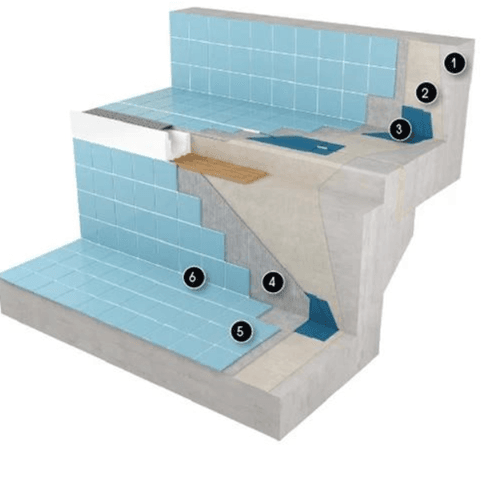
A proper waterproofing system usually includes:
1. External Waterproof Membrane
Applied on the outer basement walls to prevent groundwater infiltration.
2. Internal Pool Waterproof Coating
Special waterproof chemicals or membranes applied inside the pool shell.
3. Water Stops at Construction Joints
PVC or rubber water stops are installed where concrete joints meet.
4. Drainage Layer and Sump System
A perimeter drainage system helps remove any unwanted water buildup around the basement.
When waterproofing is done correctly, basement pools can remain leak-free for many years.
How Is Pool Water Lifted and Circulated?
Many homeowners ask how water is managed in a basement pool, especially since the pool is below ground level
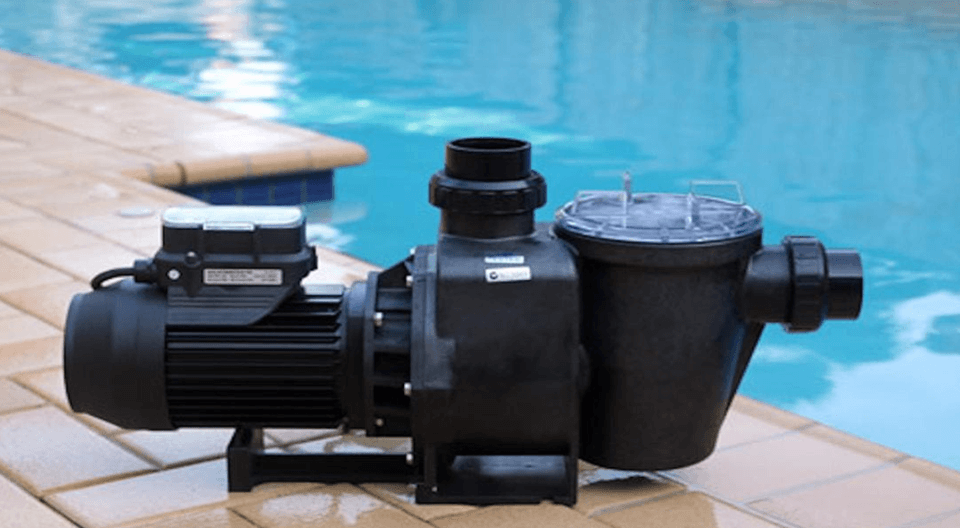
The good news is that modern pool engineering uses efficient pumping systems to handle water circulation and lifting.
Pool Water Circulation System
A typical basement pool uses:
- Skimmer drains to collect surface water
- Main drain at the bottom of the pool
- Circulation pump
- Sand or cartridge filtration unit
- Water treatment system
- Return jets to push clean water back into the pool
The pump automatically pulls water from the pool, filters it, and returns it continuously.
Lifting Water to Upper Floors or Roof (If Needed)
If you want to move pool water upward—for example, to a rooftop balancing tank or treatment system—a booster pump can be installed.
This pump is designed to lift water vertically through pressure pipelines.
Common systems include:
- Variable speed booster pumps
- Automatic pressure control systems
- Backup power connections
The pump size depends on:
- Pool volume
- Required flow rate
- Vertical lifting height
Professional MEP design ensures proper pump selection.
Will a Basement Swimming Pool Cause Structural Problems?
This is one of the most common concerns.
The answer is:
No, if designed and constructed properly.
A basement pool does not damage the house when:
- Structural design is professionally engineered
- High-quality waterproofing is applied
- Drainage systems are properly installed
- Construction is supervised carefully
Problems usually happen only when contractors ignore waterproofing details or structural calculations.
Possible risks of poor construction include:
- Water seepage
- Basement dampness
- Cracks in walls or slabs
- Mold and humidity issues
- Higher maintenance costs
This is why hiring experienced architects, structural engineers, and construction professionals is essential.
Ventilation and Humidity Control
Indoor basement pools generate moisture, which can affect nearby walls and ceilings if not managed.
To control humidity, homeowners should install:
- Mechanical ventilation systems
- Exhaust fans
- Dehumidifiers
- Air circulation ducts
Proper humidity control protects both the building and indoor comfort.
Estimated Cost of Building a Basement Pool
The cost depends on pool size, finishing quality, and mechanical systems.
Typical cost factors include:
- Excavation and RCC structure
- Waterproofing materials
- Pool tiles and finishes
- Pumps and filtration equipment
- Lighting and heating
- Ventilation systems
Luxury indoor basement pools usually require a higher investment but significantly enhance the value and appeal of the home.
Final Thoughts
A swimming pool in the basement of a 1 kanal house can be a beautiful and practical feature when planned correctly. With proper structural engineering, waterproofing, and water circulation systems, a basement pool can function safely without causing any damage to the building.
The key is to involve experienced professionals from the design stage to ensure every technical detail is addressed properly.
If you are planning a custom home with a basement swimming pool, thoughtful architectural planning and quality construction will help you create a premium indoor space that adds long-term comfort and value.